How to Replace a Garage Door Opener in San Marcos
Knowing how to replace a garage door opener in San Marcos starts with the door, not the motor. If the springs, cables and rollers are healthy and the door is balanced, swapping an old opener is a careful, step-by-step job. If the door is heavy, crooked or the springs look worn, stop and call to be connected with a local provider.
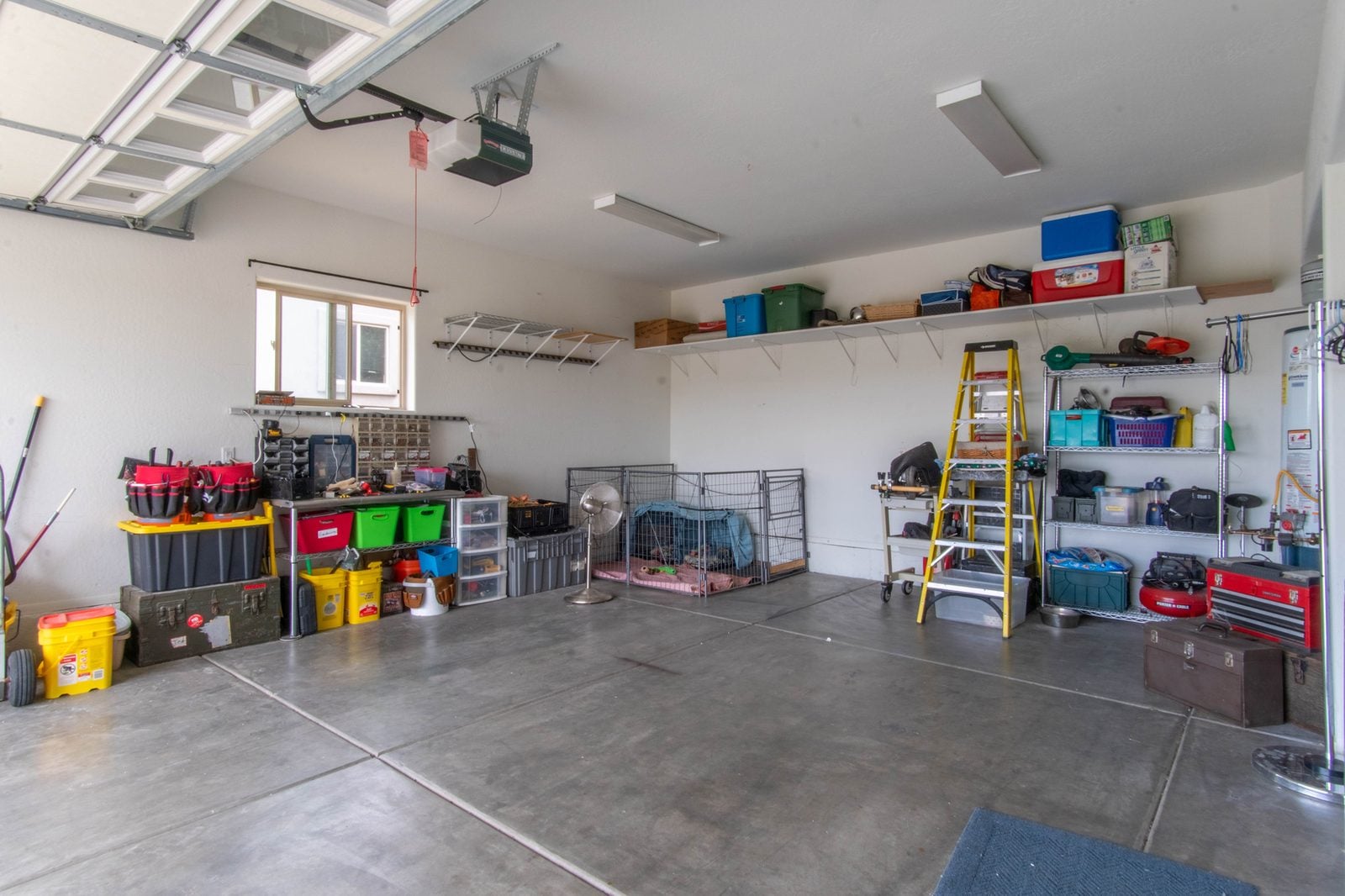
- An opener only guides the door. The springs do the lifting, so check door balance before you replace anything.
- Never loosen, adjust or remove springs, cables or bottom brackets. They hold the door's weight under high tension.
- Unplug the old opener and keep the door closed while you work on the rail and motor unit.
- New safety sensors must be mounted low on the tracks and aligned before the door is used.
- In Texas, an opener tied to an alarm system or entry logging needs a DPS-licensed installer.
Should I repair my garage door opener or replace it?
Replace a garage door opener in San Marcos when the motor is worn out, parts are hard to find, or it lacks the safety reversing sensors newer openers use. Repair makes more sense when one part has failed, such as a remote, sensor, drive gear or logic board.
- No safety sensors near the floor.
- The motor strains or stops partway even though the door is balanced.
- New problems keep showing up after past repairs.
- You want a quieter belt drive, battery backup or smartphone control.
If the opener failed suddenly, try the garage door opener troubleshooting guide first. A dead remote battery is easier than a full swap.
How do I check my garage door before I replace the opener?
Before you replace a garage door opener, test the door by hand. With the door fully closed, pull the red manual release cord, lift the door about halfway and let go. A balanced door stays put or drifts slowly. If it slams down, shoots up or feels very heavy, the springs need attention first.
Also look for gaps in the torsion spring above the door, stretched extension springs, frayed cables, cracked rollers and bent tracks. A new motor pushing a door with a worn spring wears out early. If anything looks wrong, the garage door spring repair page explains what a provider checks first.
What type of garage door opener should I buy as a replacement?
Choose a replacement garage door opener based on your door's size and weight, how much noise you can accept, and where the garage sits in the house.
- Chain drive: sturdy and common, but louder. Fine for detached garages.
- Belt drive: much quieter. Good when a bedroom is over or next to the garage.
- Jackshaft (wall-mount): mounts beside the door on the torsion bar and frees ceiling space. It needs a torsion spring and side room.
Taller doors need a rail extension kit. Battery backup is worth a look where storms knock out power.
Need help now? Call to be connected with a local provider in San Marcos who can check availability for your address.
How to replace a garage door opener: what are the basic steps?
Most opener swaps follow this order. Always follow the new opener's manual, because mounting varies by brand.
- Close the door and unplug the old opener. Leave the door down the whole time.
- Disconnect the door arm from the bracket on the door.
- Remove the old sensors and wall button wires.
- Support the motor unit on a sturdy ladder, then unbolt the rail and the ceiling hangers. A second adult helps.
- Assemble the new rail on the floor and attach the new motor.
- Mount the rail to the header bracket and hang the motor from solid framing, not drywall.
- Connect the door arm to the trolley.
- Install the new sensors low on both tracks, facing each other.
- Mount the wall button out of reach of small children.
- Plug in, set travel limits and force, then pair the remotes.
If any step asks you to touch the springs or cables, stop.
Which parts of replacing a garage door opener are dangerous?
The dangerous parts of replacing a garage door opener are anything near the springs and cables, overhead ladder work with a heavy motor, and the electrical connection. Springs store enough energy to cause serious injury if a bracket or cable is loosened.
- Spring tension: never loosen the bottom brackets, cable drums or spring bar bolts. An opener swap does not require it.
- Falling door: do not pull the manual release with the door open. A weak spring can let it drop.
- Electricity: keep the opener unplugged until the last step. No ceiling outlet means calling an electrician, not using an extension cord.
- Ladder work: have a helper hold the motor while you bolt it up.
How do I set up the safety sensors and travel limits on a new opener?
Mount the new safety sensors low on each track with the lenses facing each other. When aligned, both indicator lights glow steadily. Then set the travel limits so the door closes fully without pressing hard on the floor.
Test the safety reverse: lay a 2x4 flat in the door's path and close the door. It should touch the board and reverse. Then wave an object through the beam while it closes; it should go back up. Do not use the door until both tests pass. The sensor and keypad repair page covers sensors that will not light.
When should I stop and call instead of replacing the opener myself?
Stop and call if the door is out of balance, a spring or cable looks damaged, there is no ceiling outlet, or the opener ties into an alarm or access system. Also stop if the header has no solid wood for the rail bracket, or the door is unusually tall or heavy.
A provider can confirm the door is ready and explain whether garage door opener repair or a new unit makes more sense.
What happens during the visit for a garage door opener replacement?
When you call, you are connected with a local provider who handles garage door openers in the San Marcos area. The visit starts with an inspection of the door: springs, cables, rollers, tracks and balance. Then the provider looks at the current opener, outlet, header and sensor wiring.
Next, they explain your options: repairing the current opener, replacing it with a similar model, or switching to a quieter belt drive or wall-mount unit. If the door needs spring or cable work first, they tell you why. You get a written quote before any work begins.
How do San Marcos storms and outages affect a new garage door opener?
Power outages are a real factor when you replace a garage door opener in San Marcos. During the February 2021 winter storm, most of Texas had prolonged freezing temperatures, ice and power outages from February 11-19, and insurers reported 4,397 claims in Hays County from that storm as of March 31, 2022, across all insurance lines. On February 1, 2023, ice on trees and power lines caused outages in the hundreds of thousands across the Austin metro and nearby Hill Country, some lasting a week or more. That is why battery backup is worth considering on a replacement unit.
Water is the other concern. San Marcos sits in the Hill Country edge region the Lower Colorado River Authority calls "Flash Flood Alley," one of the areas with the greatest flash-flood risk in the United States. The Memorial Day flood and the October 30, 2015 "All Saints Flood" together damaged 1,558 homes and 35 businesses in San Marcos. Mount sensor wiring neatly and keep the motor and outlet dry.
Heat matters too. Nearby Austin's record high is 112°F, and closed garages get hot, which is hard on motors and remote batteries. Homes in San Marcos, Buda, Kyle, Wimberley and New Braunfels all face these conditions. See the service areas page for every town covered.
Related pages
Questions people ask
Can I replace a garage door opener myself, or should I call someone?
Many handy people can replace a garage door opener themselves if the door is balanced and the springs are healthy. If the door is heavy, crooked or has a damaged spring or cable, call to be connected with a local provider instead.
How do I know if my garage door opener needs to be replaced instead of repaired?
Replacement makes sense when the opener has no safety sensors, keeps failing after repairs, or strains on a balanced door. A single failed part, like a remote or gear, can often be repaired.
What is the first thing I should do when I replace a garage door opener?
Close the door and unplug the old opener. Then test the door's balance by hand so you know the springs are doing their job before you install anything new.
Do I have to touch the garage door springs to replace the opener?
No. Replacing an opener never requires loosening or adjusting the springs, cables or bottom brackets. If the instructions or the old setup seem to require it, stop and get help.
Can I reuse the old rail or sensors with a new garage door opener?
Usually not. Most brands design the rail, trolley and sensors to work only with their own motor, so plan to install the parts that come with the new opener.
Is a belt drive or chain drive opener better for a garage under a bedroom?
A belt drive is usually the quieter choice for a garage under or next to a bedroom. Chain drives work well but make more noise and vibration.
What is a wall-mount garage door opener and can I switch to one?
A wall-mount, or jackshaft, opener sits beside the door and turns the torsion bar directly. You can switch if your door uses a torsion spring and has enough side room for the unit.
Does a new garage door opener need its own outlet in the ceiling?
Most openers plug into an outlet near the motor unit on the ceiling. If there is no outlet there, have an electrician add one rather than using an extension cord.
How high should the safety sensors be when I install a new opener?
Mount the sensors low on each track, typically about 6 inches above the floor, facing each other. Check the new opener's manual for its exact height.
How do I test the auto-reverse after I replace my garage door opener?
Place a flat 2x4 on the floor under the door and close it. The door should touch the board and reverse; if it does not, adjust the settings and do not use the door until it passes.
Why does my new garage door opener stop before the door closes all the way?
The down travel limit is probably set too short. Adjust the limit following the manual, then retest the safety reverse after every change.
Should I get a garage door opener with battery backup in San Marcos?
Battery backup is worth considering in San Marcos because storms and ice have caused long power outages in the area. It lets the door run for a limited time when the power is out.
Do I need a licensed company to replace a garage door opener that connects to my alarm in Texas?
Yes, according to the Texas Department of Public Safety, installing an opener connected to an alarm system, or one that monitors or logs entry, requires a DPS license. An opener-only installation does not.
Why is my garage door shaking or jerking after I installed a new opener?
Jerky movement often means the door is out of balance, the rollers are worn, or the force setting is off. Disconnect the opener and test the door by hand before using it again.
How do I pair my car and old remotes with a replacement garage door opener?
Press the learn button on the new motor unit, then press the remote button within the time the manual gives. Older remotes may not work with a new opener's coding, so you may need new ones.
Who can I call to replace a garage door opener in Kyle, Wimberley or New Braunfels?
Call the number on this page to be connected with a local provider who handles opener replacement in Kyle, Wimberley, New Braunfels and the rest of the San Marcos area. You will get a written quote before work begins.
Talk to someone about your garage door problem
Call to be connected with a local provider who can check availability for your address and explain the next step.