Residential Garage Door Repair in San Marcos, TX
Residential garage door repair in San Marcos usually starts with a home door that is loud, crooked, heavy or will not open. Springs, cables, rollers, tracks, the opener and the safety sensors cause most problems. Stop using a door that struggles, and call to be connected with a local provider who serves your neighborhood.
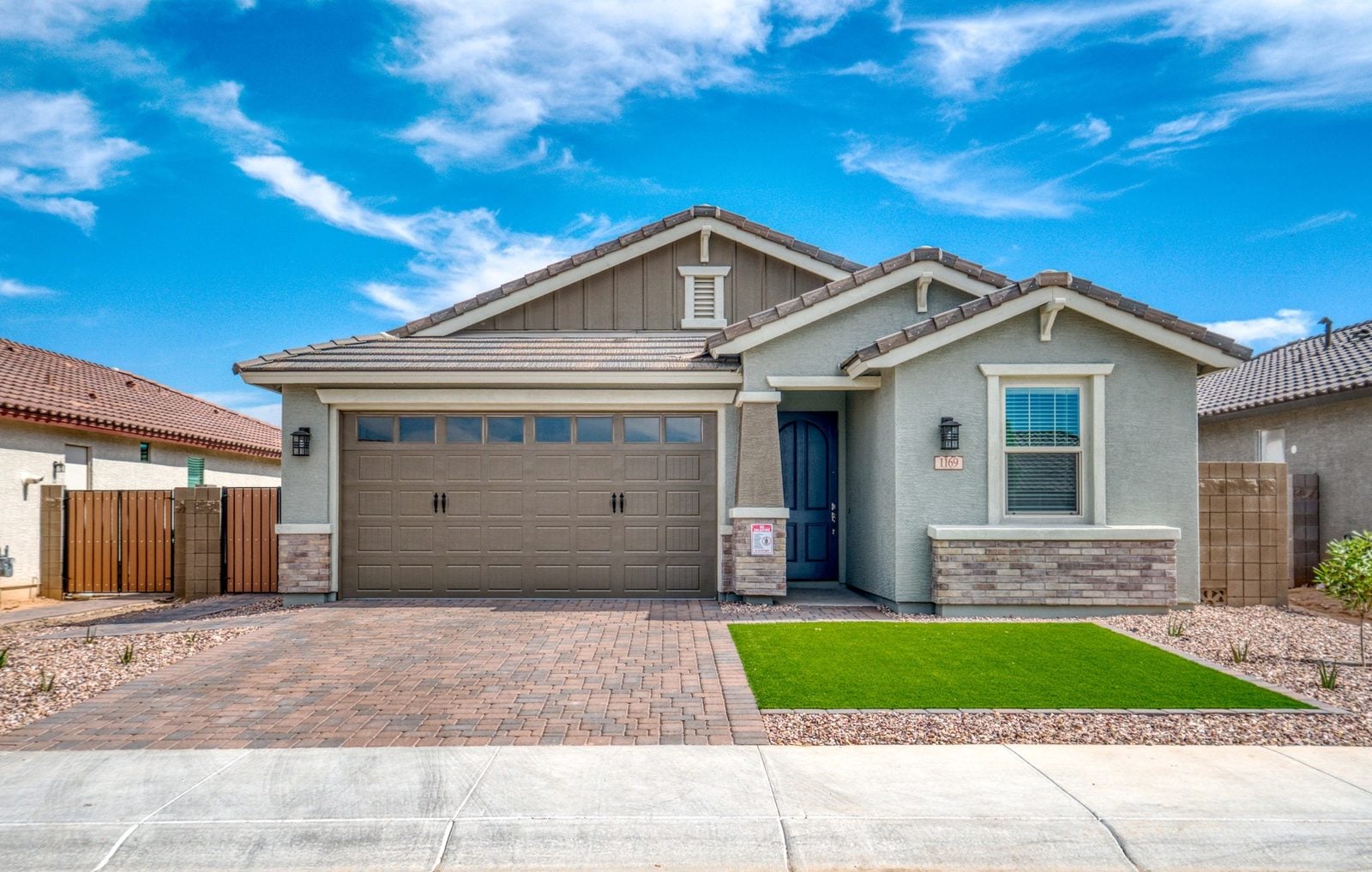
- Most home garage doors are sectional doors that roll up on tracks.
- Springs and cables hold the door's weight under high tension; never adjust them yourself.
- A door that is out of balance can wear out the opener.
- Test the auto-reverse once a month with a soft object in the door's path.
- Ask for a written quote before any work begins.
What does residential garage door repair in San Marcos cover?
Residential garage door repair in San Marcos covers the parts that make a home garage door open, close and stay safe: springs, cables, rollers, hinges, tracks, panels, weather seals, the opener and the safety sensors. Most home doors are sectional doors that roll up on tracks, and nearly every problem traces back to one of these parts.
Home doors are different from shop or warehouse doors. They run a handful of times a day, sit right next to living space, and are often the main way a household comes and goes. That makes noise, security and a door that closes all the way more important than raw lifting power.
- Balance and lift: springs and cables carry the door's weight.
- Movement: rollers, hinges and tracks guide the door.
- Control: the opener, remotes, keypad and wall button.
- Safety: photo-eye sensors and the auto-reverse feature.
How do I know my home garage door needs repair and not just a quick fix?
Your home garage door likely needs repair when it is loud, slow, crooked, heavy to lift by hand, or stops and reverses on its own. A quick fix, like cleaning a sensor lens or changing a remote battery, only helps when the door itself moves smoothly and stays level.
- A loud bang from the garage, then a door that will not lift, often points to a broken spring.
- One side of the door sits lower than the other.
- A cable looks loose, frayed or has come off its drum.
- Rollers pop, grind or have left the track.
- The door feels much heavier than usual when the opener is released.
- Gaps show along the bottom or sides when the door is closed.
If you see any of these, stop using the door and call to be connected with a local provider.
Which residential garage door repairs should I never do myself?
Never adjust or replace garage door springs, cables, bottom brackets or cable drums yourself. These parts hold the full weight of the door under high tension, and releasing that tension the wrong way can cause serious injury. Leave them to a trained provider.
Safe things you can do on your own include clearing the floor under the door, wiping the photo-eye lenses, checking that the opener is plugged in and the breaker is on, replacing remote batteries, and looking for loose debris in the tracks. If the door is stuck open, do not pull the emergency release when a spring or cable looks broken, because the door can drop fast.
Need help now? Call to be connected with a local provider in San Marcos who can check availability for your address.
What are the most common residential garage door repair calls?
The most common residential garage door repair needs in San Marcos homes are broken springs, openers that stop responding, doors that close and pop back up, worn or noisy rollers, cables that slip, and doors that come off track. Many of these are linked, so one worn part can strain the rest.
For example, a door that is out of balance makes the opener work harder, which can wear out its gears. Misaligned sensors make the door reverse, which some people mistake for an opener failure. That is why a full look at the door, not just the part that seems broken, is worth asking for. For details on specific parts, see the garage door spring repair and garage door opener repair pages.
Does a garage door maintenance service help prevent home repairs?
A garage door maintenance service can catch worn rollers, loose hardware, dry hinges and an unbalanced door before they turn into a bigger repair. It is a check of the whole system, and it is a good time to test the auto-reverse and sensors.
Between visits, you can watch and listen once a month. Run the door and look for jerky movement, rubbing or a sagging section. Test the auto-reverse by placing a soft object like a rolled towel in the door's path; the door should reverse when it touches it. If it does not, stop using the opener and call. The garage door maintenance and tune-up page explains what a tune-up usually includes.
Is it better to repair my home garage door or replace it?
Repair usually makes sense when one or two parts have failed and the panels, tracks and frame are in good shape. Replacement is worth discussing when several panels are damaged, the door is badly bent, or parts keep failing one after another.
A provider can explain both options side by side, so you can weigh how old the door is, how it looks, how much noise and drafts bother you, and how long you plan to stay in the home. The garage door repair vs. replacement page goes deeper on this choice.
What happens during the visit?
The visit starts with an inspection. The provider looks at the springs, cables, rollers, hinges, tracks, panels, seals, opener and sensors, checks the door's balance, and runs the door if it is safe to do so.
Next, the provider explains what they found and the options, such as replacing a worn part, adjusting the door, or discussing a new opener or door. You should get a written quote before any work begins. Ask questions until the plan makes sense, and only approve the work you want.
What should San Marcos area homeowners know about local conditions?
Homes across San Marcos, Kyle, Buda, Wimberley and New Braunfels share some of the same weather risks, and they affect garage doors. San Marcos sits in the Balcones Escarpment and Hill Country edge region that the Lower Colorado River Authority describes as "Flash Flood Alley," one of the areas with the greatest flash-flood risk in the United States. Water and mud in a garage can reach the bottom seal, rollers, sensors and the opener's wall controls.
Local floods have reached homes before. The City of San Marcos says the Memorial Day flood and the October 30, 2015 "All Saints Flood" together damaged 1,558 homes and 35 businesses in San Marcos, based on initial estimates. During the Memorial Day flood, the Blanco River at Wimberley rose from near 5 feet to near 41 feet in about four hours, including a 20-foot rise within one hour.
Power outages matter too, since an opener will not run without power. From February 11-19, 2021, most of Texas had prolonged freezing temperatures, ice, snow and power outages. Insurers reported 4,397 claims in Hays County and 4,307 in Comal County from that storm as of March 31, 2022, across all insurance lines. Knowing how to use the manual release safely helps when the power is out.
If your opener is tied to a home alarm, note that the Texas Department of Public Safety says installing an opener connected to an alarm system, or one that monitors or logs entry, requires a DPS license. See the service areas page, including garage door repair in Kyle.
Related pages
Questions people ask
Who do I call for residential garage door repair in San Marcos?
Call the number on this page to be connected with a local provider who handles residential garage door repair in San Marcos and nearby towns. Describe what the door is doing so they understand the problem.
What counts as residential garage door repair versus commercial?
Residential garage door repair is work on home garage doors, which are usually lighter sectional doors that run a few times a day. Commercial work involves heavier doors on shops and warehouses that cycle much more often.
Can I still drive my car out if my home garage door is stuck closed?
Only if the door can be opened safely. If a spring or cable is broken, do not force it open, because the door can be very heavy and may drop. Call to be connected with a provider instead.
Why does my garage door feel so heavy when I lift it by hand?
A garage door that feels very heavy by hand usually has a weak or broken spring. The springs are supposed to do most of the lifting, so a heavy door is a sign to stop and have it checked.
Is it normal for one side of my garage door to hang lower than the other?
No. A door that sits crooked often has a broken spring on one side, a slipped cable, or a roller out of the track. Stop using the door and call, since running it crooked can bend panels and tracks.
How often should a home garage door get a maintenance service?
Many homeowners schedule a garage door maintenance service about once a year, and sooner if the door gets noisy or jerky. Ask the provider what fits how often your door runs.
What can I safely do myself to keep my garage door running smoothly?
You can keep the floor and tracks clear, wipe the sensor lenses, tighten loose screws on the opener mount, and test the auto-reverse each month. Leave springs, cables and brackets to a provider.
How do I test my garage door's auto-reverse at home?
Lay a rolled towel or a piece of wood flat on the floor in the door's path and close the door. It should reverse when it touches the object. If it does not, stop using the opener and call.
Why does my garage door make a grinding noise when it opens?
Grinding often comes from worn rollers, dry hinges, a bent track or opener gears wearing out. Note where the sound comes from and when it starts, then call to have the door checked.
Can a new opener fix a garage door that keeps getting stuck?
Not always. If the door itself is unbalanced or a track is bent, a new opener will struggle too. A provider should check the door first, then talk about the opener.
Is a garage door with a bottom gap a repair issue?
Often, yes. A gap can mean a worn bottom seal, an uneven floor, or a door that is not closing all the way because of the limit settings. A provider can tell you which one it is.
What should I check before calling about my home garage door?
Check that the opener has power, the wall button lock is off, the sensor lights are steady and nothing is blocking the door. If the door still will not work, or a part looks broken, call.
Can floodwater in my garage damage my garage door?
It can. Water and mud can affect the bottom seal, rollers, sensors and the opener's wiring and controls. Have the door and opener checked before running it after high water.
What should I do with my garage door when the power goes out?
If the door is closed and you do not need it, leave it alone. If you must open it, use the emergency release only when the springs and cables look intact, and lift the door slowly by hand.
Should I repair or replace a dented home garage door panel?
A small dent in one panel can often be handled with a panel replacement, while several damaged panels may make a new door worth discussing. Ask the provider to explain both options.
Will someone explain the problem before any residential garage door work starts?
Yes, that is how the visit should go. The provider inspects the door, explains what they found and the options, and gives you a written quote before any work begins.
Does my garage door opener need a special license if it connects to my home alarm in Texas?
According to the Texas Department of Public Safety, installing an opener connected to an alarm system, or one that monitors or logs entry, requires a DPS license. Opener-only work does not.
Can I get residential garage door repair in Buda, Wimberley or New Braunfels?
Yes. Call the number on this page to be connected with a local provider who serves homes in Buda, Wimberley, New Braunfels and other towns around San Marcos.
Talk to someone about your garage door problem
Call to be connected with a local provider who can check availability for your address and explain the next step.